My cardiologist told me that if I had not been working out regularly at Nurtrifomance we might not have discovered 90%+ blockage in my Left Anterior Descending Artery until it was too late.
In 2010 I was training with Libby when I experienced a slight tightness in my chest. She insisted I seek medical advice and three days later, I received a double stent implant. Eight days after my first symptoms I was back at Nutriformance working out without restrictions!
As you can imagine, every time I walk into Nurtriformance I remember how God used these people and this place to prolong my life help me stay active. Coming to Nurtriformance is one of the high points of my day. While the facilities are great, the people are even greater. I am grateful for my Nutriformance family.
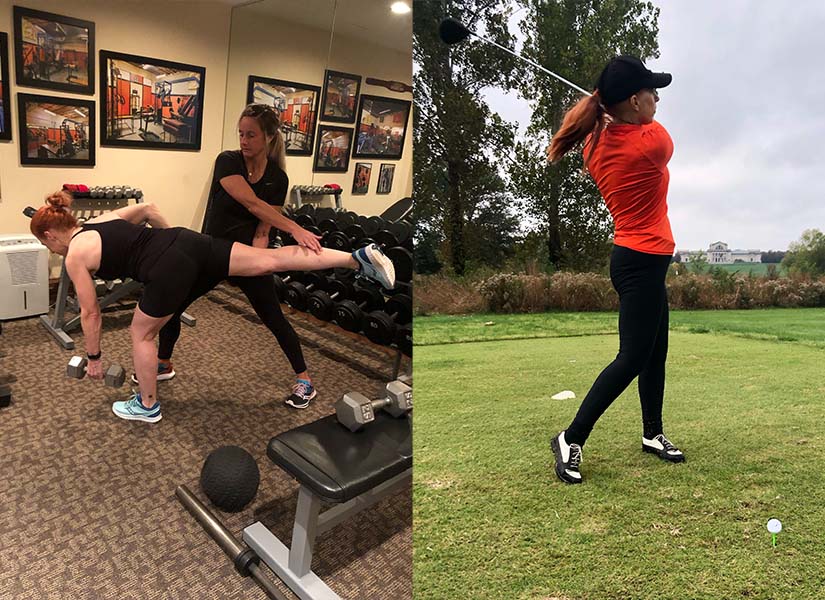
Because of schedule issues Kimberly later replaced Libby as my trainer. Today, in 2021, Kimberly trains and challenges me and my wife, Eva as we work together. We are implementing our 20-year fitness/nutrition plan.
Bob M.
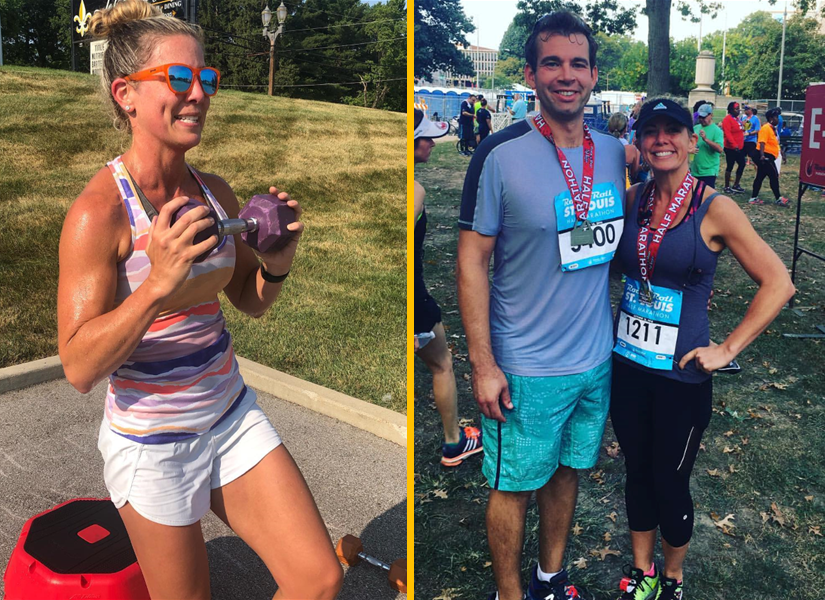
I have been a member at Nutriformance for over four years. When I first joined, I was exclusively a runner. I exercised five days a week but focused exclusively on cardio, not strength training. I started taking a few classes here and there to vary my workout routine. I started seeing changes in my muscle tone, strength and endurance. At the age of 39, I am in the best shape of my life! I went from not taking any classes to trying almost every class offered! Whether it be TRX, hybrid, mat pilates, rowing or spinning, I walk away from each class knowing I got a great overall workout! The classes are amazing because the trainers do a great job of varying the exercises and designing a workout that is challenging for all skill levels. I feel challenged in each and every class! I am still a dedicated runner but incorporating a variety of classes has not only made my exercise routine more interesting, it has enhanced my performance overall.
-Alison N.
“I am at my best fitness level EVER and my “happy weight” which I haven’t been in 15 years. The combination of expertise and motivation from my trainer and the Nutriformance team is a game changer!”
Deanna D.
A couple weeks ago I completed Colorado’s Triple Bypass- a one day endurance cycling event involving 118 miles distance and 11,800 ft vertical climbing up to 12,000 ft of altitude.
Most of the guys in this ride are young and are built like coffee stirrers. I drew from a solid base of strength and cardio I’d gained from years of 0600 Nutriformance classes in making this possible.
Thanks for the assist with my fitness.
-Paul Fox
FREE 7-Day Trial Membership!
Call 314-432-6103 or fill out the form to get started.
St. louis' best gym & Personal Trainers
Don’t take our word for it, check out what our members have to say!
Experts in health & Fitness
Voted Top Fitness Center by Ladue News Readers 10+ Times!
We are a family of like-minded fitness professionals and clients all aspiring to reach farther, to be better doing the things we love and to live more healthy and productive lives. Our team works together to ensure you meet and exceed what even you thought was possible.
Using years of experience, training education, in-depth assessments, and your specific goals, we will design a program that will finally help you look, move, and feel great! We’re ready to help you start your fitness journey!
Personal Training
Many of our advanced personal trainers are cross-trained as physical therapists, certified athletic trainers and registered dietitians. Our diverse training team works together to ensure your success!
As Registered Dietitians we don’t sell quick fixes or advertise propaganda. We teach you sound nutritional practices that you will use for the rest of your life. Let us design a custom-built program just for you!
Rejuvenate and relax with our licensed massage therapists who specialize in relaxation and therapeutic massage that includes aspects of myofascial release, positional release, sports massage, and shiatsu.
Our highly skilled certified Pilates instructors each bring their own style and area of expertise to the Pilates method. Let us personalize a results driven Pilates program for you.
We help athletes of all ages and skill levels gain the edge in speed, agility, power and quickness with personalized, professional sports training programs.
Fee-for-service physical therapy is offered at NutriFormance. One-on-one care, for easy scheduling, and continuation of care when transitioning into fitness. You will spend the entire time working with your assigned physical therapist.
During yoga, your body goes through a full range and variety of motions that can counteract aches and pains associated with tension or poor postural habits. Yoga help you become more aware of your body & improve overall function.
We offer a variety of fitness resources and programs designed to bring exercise into your workplace and to assist in creating a culture where employees feel cared for and motivated to improve their fitness and well-being.
Welcome to NutriFormance where every BODY matters and we strive to know all our client’s by name as well as understanding why they chose NF to pursue their fitness goals. We hope to over-deliver in making NutriFormance like a second home, a fun environment that is also focused and dedicated to our clientele’s success.
We aren’t chasing members just to hit a number. We are pursuing clients who fit what we do, who appreciate a team of advanced professionals and a community that is much like an extended family. We are far from a red-tape laden big box gym that only wants your membership dollars and doesn’t care about you as an individual.